How to fillet
How to Fillet a Fish
One method that works on nearly every fish you keep, start to finish, plus a guide for each species.
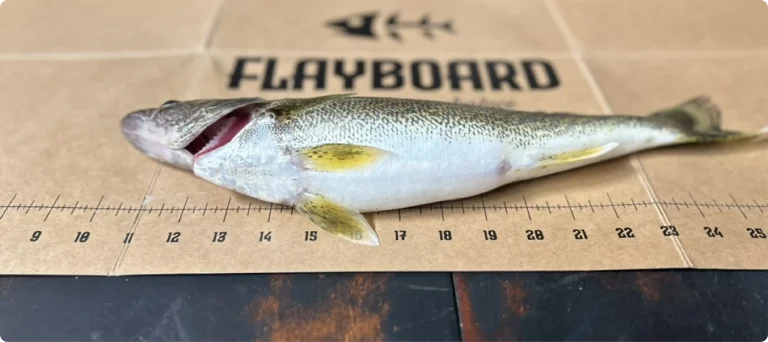
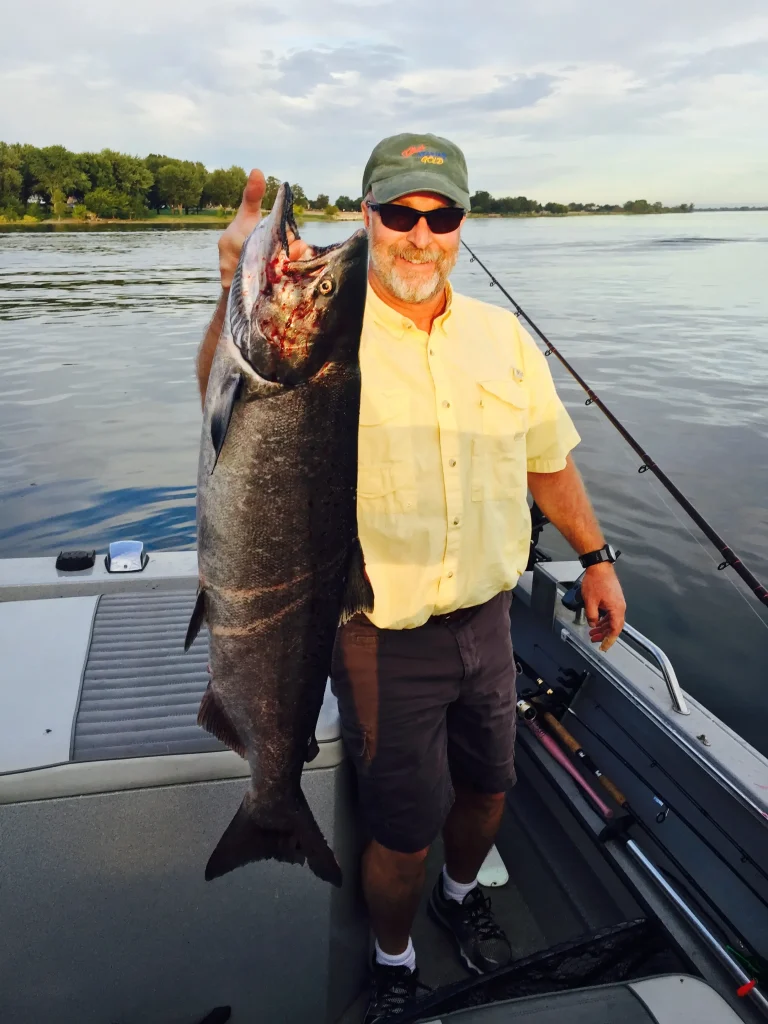
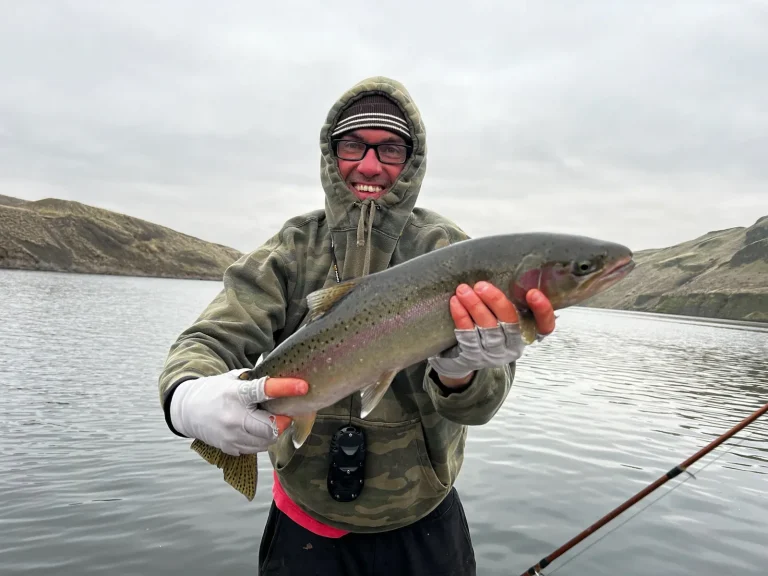
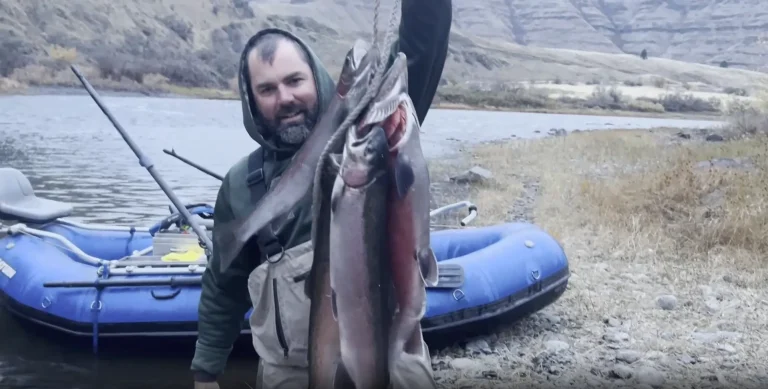
Filleting comes down to three things: a sharp, flexible knife, a flat surface big enough to hold the whole fish, and letting the blade ride the bones instead of fighting them. Walleye, trout, salmon, bass, crappie, perch - the steps below work on all of them. Once you have the basic method down, the species guides above cover what's different about each fish.
What you need
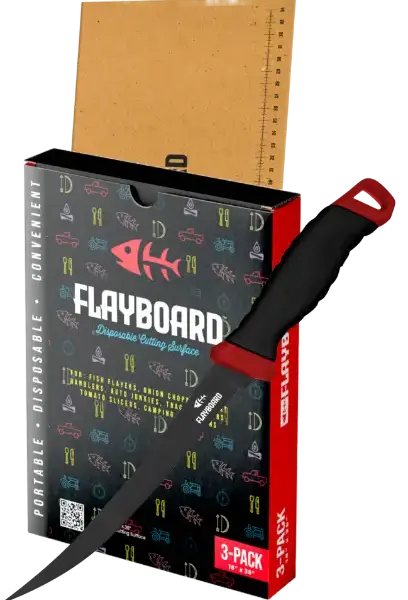
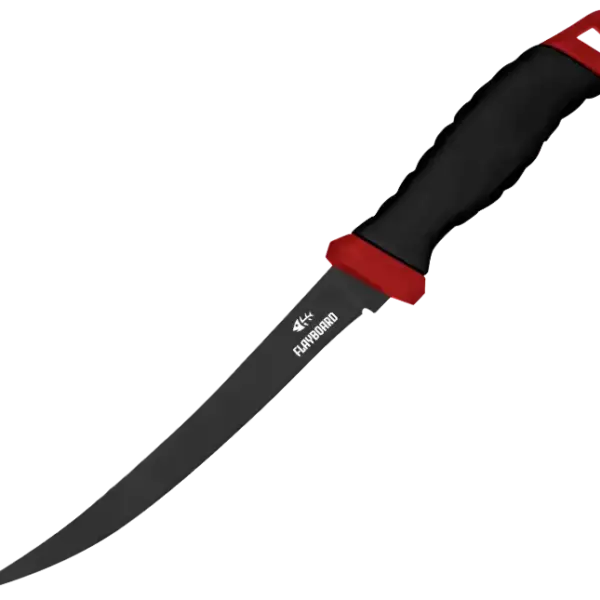
- A fillet knife. A thin, flexible blade bends along the backbone and over the ribs. Six to seven inches is plenty for panfish and pan-size trout. An 8-inch blade, like the Flayboard 8" fillet knife, handles everything from walleye to mid-size salmon. For big king salmon, a 9-inch or longer blade makes the long cuts easier.
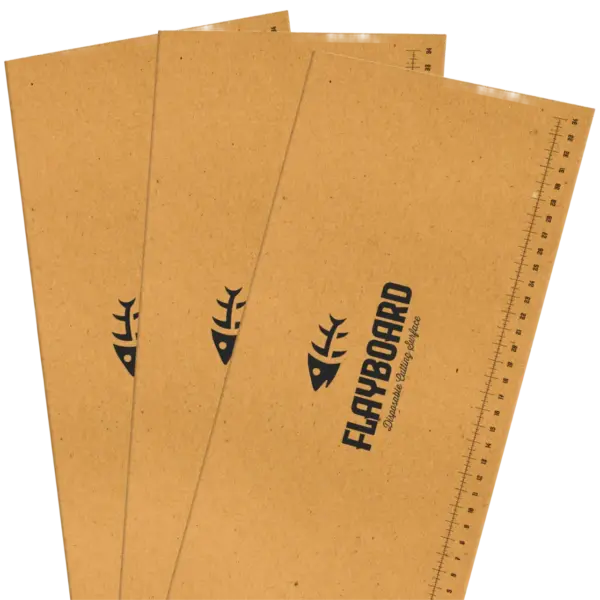
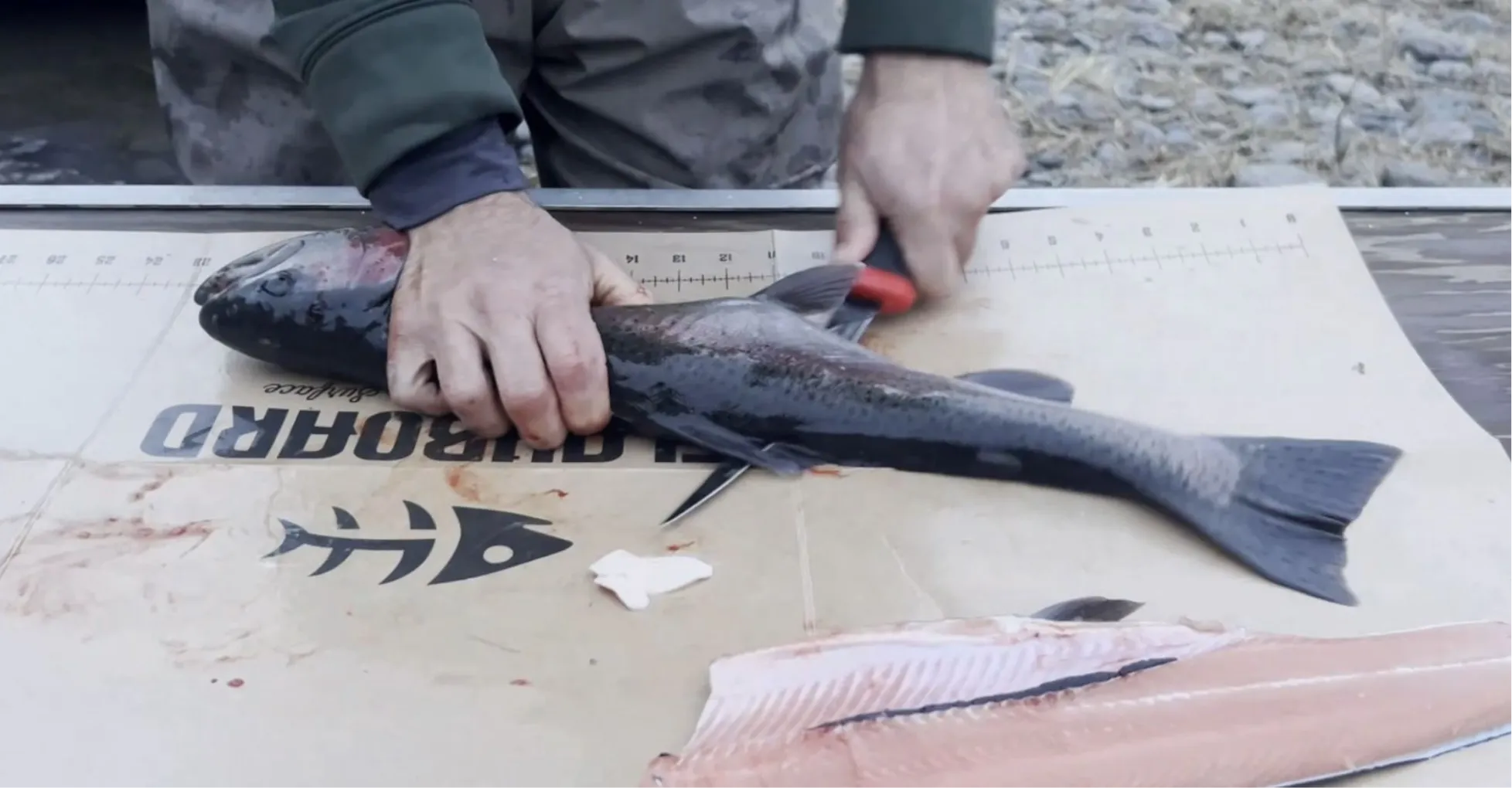
- A big, flat cutting surface. The fish should lie flat with room to work around it. An 18" x 36" Flayboard gives you that on a tailgate, a dock or a picnic table, and you throw it away when you're done.
- Paper towels to wipe slime off the fish and your hands.
- A cooler or a bowl of ice water for the finished fillets.
- Needle-nose pliers or fish tweezers for pin bones.
- Gloves if you want them. A cut-resistant glove on your holding hand is cheap insurance.
Before you cut
Bleed and ice your fish as soon as you decide to keep it. A cold, bled fish fillets cleaner and tastes better. Wipe the slime off with a paper towel so the fish doesn't slide around. If your fish has a size or slot limit, measure it before you make a cut - the ruler printed on every Flayboard is there for exactly that.
Check your state's rules before you skin anything on the water. Many states require fillets to keep a patch of skin, or require you to keep the carcass, until you're off the water so a warden can identify the species and size.
How to fillet a fish, step by step
1. Preparation
Scale the fish if needed: Hold the fish by the tail and use the fish scaler or spoon to scrape the scales from the tail towards the head. Do this on both sides until all scales are removed. Rinse the fish under cold water.
If you plan to skin the fillets, you can skip scaling. The scales come off with the skin.
2. Positioning The Fish
Lay the fish flat on its side on a cutting board. The head should be facing away from your dominant hand if you're right-handed, with the belly facing you.
3. Cut behind the head
Make a cut just behind the gill plate and the pectoral fin, angling the blade slightly toward the head. Cut down until you feel the knife touch the backbone. Stop there - don't cut through the spine.
4. Cutting Along The Backbone
Turn the knife so it is parallel to the backbone. Begin to cut along the length of the fish, keeping the blade against the spine to minimize waste. Use gentle, smooth strokes. Work your way from the head down to the tail, gradually separating the flesh from the bone.
When you reach the rib cage you have a choice. You can let the blade ride up and over the ribs, which leaves the rib cage on the carcass, or cut through the small rib bones and remove them from the fillet afterward. Riding over the ribs is faster on small fish. Cutting through and removing them later saves more meat on big ones.
5. Stop at the tail
If you're going to skin the fillet, stop about half an inch before the tail and flip the fillet over so it lies skin-side down, still attached. That little hinge of skin gives you something to hold. If you're keeping the skin on, cut all the way through.
6. Flip the fish and repeat
Turn the fish over and do the same thing on the other side: cut behind the head, run the blade down the backbone, and stop or cut through at the tail.
7. Remove the rib bones
If the ribs came off with the fillet, lay it skin-side down. Start at the thickest end, slide the blade just under the ribs and angle it slightly upward, following the curve of the bones. Trim away the thin, fatty edge of the belly while you're there.
8. Skin the fillet
Hold the tail end of the skin tight against the board. Slide the knife between the skin and the meat, blade angled just slightly down toward the skin. Push the knife forward while you wiggle the skin side to side, and the fillet will peel off in one piece.
9. Check for pin bones
Run your fingertip down the center of the fillet. Most fish have a row of small pin bones there. Pull them out with pliers, tugging toward the head of the fillet, or cut a thin V-shaped strip on either side of the line and lift it out.
10. Rinse, dry and get it cold
Give the fillets a quick rinse in cold water, pat them dry, and put them on ice. For more than a day or two, vacuum seal them and freeze.
11. Clean up
Roll the carcass, skin and scraps up inside the Flayboard, fold it closed, and drop it in a trash bag. No slime on the tailgate, no board to scrub.
Tips that make it easier
- Keep the knife sharp. A dull blade tears the meat and slips. Hone it before each trip.
- Let the knife do the work. Long, smooth strokes beat short sawing ones.
- Feel for the bones. You should hear and feel the blade ticking along the backbone. If you don't, you're cutting too far from it and leaving meat behind.
- Work cold. Firm, cold flesh cuts cleaner than warm, soft flesh.
- Don't throw out the good parts. Walleye cheeks and salmon bellies are some of the best eating on the fish.
Common questions
Do you have to scale a fish before you fillet it?
Only if you're cooking it with the skin on. If you skin the fillets, the scales come off with the skin.
What size fillet knife do I need?
Six to seven inches for panfish and small trout, 8 inches for walleye, bass and most salmon and steelhead, and 9 inches or longer for big king salmon.
How soon do I need to fillet a fish?
Bleed it and get it on ice right away, and a fish will keep fine for several hours before you fillet it. The colder you keep it, the better the fillets.
What's the best surface to fillet on?
Something flat, steady and longer than the fish. A disposable cutting board like the Flayboard gives you a clean 18" x 36" surface anywhere and goes in the trash afterward, so you're not hauling a slimy board home.